weak anion exchange resin
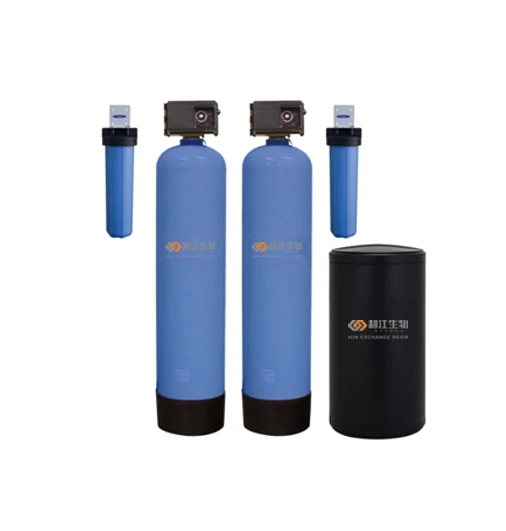
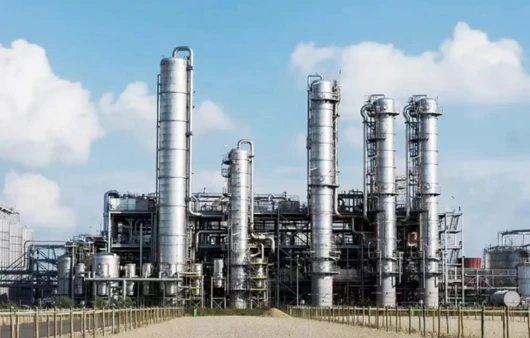
Understanding Weak Base Anion Exchange Resins in Industrial Applications In the demanding landscape of industrial water treatment and process fluid purification, the role of specialized ion exchange resins is paramount. Among these, weak base anion (WBA) exchange resins stand out for their exceptional efficacy in selectively removing strong acids, organic acids, and certain other anionic species. Unlike strong base anion (SBA) resins, WBA resins derive their functionality from amine functional groups, which are partially ionized across a broad pH range, making them particularly effective in applications where complete deionization is not strictly required but significant acid removal is crucial. This makes them ideal for preliminary demineralization, acid adsorption, and decolorization processes, often working in tandem with strong acid cation resins or as a protective layer for SBA resins. Their unique chemical structure allows for high regeneration efficiency with commonly available and cost-effective regenerants like caustic soda or even ammonia, making them an economically viable choice for numerous industrial settings. The operational principle of WBA resins involves the adsorption of anions from solution through protonation of their amine groups, which then bind the anionic contaminants. This mechanism is highly dependent on the pH of the solution, as the resin's capacity increases with decreasing pH. This characteristic makes them particularly suited for treating effluents from processes involving strong acids, such as those found in petrochemical, metallurgy, and power generation industries. Their application extends beyond mere water purification, encompassing areas like sugar processing, pharmaceutical manufacturing, and the recovery of valuable acids from industrial streams. Industry Trends and Market Outlook for Weak Base Anion Exchange Resins The global market for ion exchange resins, including weak base anion resins, is experiencing steady growth, driven by increasing demand for high-purity water across various industrial sectors. According to recent market analysis, the global ion exchange resin market size was valued at approximately USD 1.6 billion in 2022 and is projected to reach over USD 2.5 billion by 2030, exhibiting a compound annual growth rate (CAGR) of around 5.5% during the forecast period. This expansion is largely attributed to stringent environmental regulations concerning wastewater discharge, the escalating need for ultrapure water in electronics and pharmaceutical manufacturing, and the rising adoption of sustainable water treatment technologies. Key trends influencing the WBA market include: Emphasis on Sustainability: Manufacturers are developing resins with higher regeneration efficiencies and longer service lives, reducing chemical consumption and waste generation. Rising Demand for Selective Resins: There's a growing need for resins capable of selectively removing specific contaminants, such as per- and polyfluoroalkyl substances (PFAS) or nitrates, from complex water matrices. While WBAs are primarily for acid removal, their role in pre-treatment for these specialized applications is critical. Integration with Hybrid Systems: WBA resins are increasingly being integrated into hybrid water treatment systems that combine multiple technologies, such as membrane filtration (RO/UF) and other adsorption processes, to achieve optimal purification and cost-effectiveness. Smart Water Management: The adoption of IoT and AI in water treatment plants is leading to more optimized resin usage, predictive maintenance, and real-time monitoring of resin performance, maximizing the efficiency of weak base anion exchange resin operations. The Asia-Pacific region is anticipated to dominate the market share, propelled by rapid industrialization, burgeoning population, and increasing investments in water infrastructure projects. The petrochemical and power generation sectors, in particular, will continue to be significant consumers of WBA resins due to their high demand for demineralized water and effective effluent treatment. Detailed Manufacturing Process of Weak Base Anion Exchange Resins The production of a high-quality weak base anion resin involves a sophisticated multi-stage chemical synthesis process, demanding precise control over reaction conditions, material purity, and post-processing. The goal is to create a robust polymer matrix with strategically incorporated weak base functional groups that ensure optimal ion exchange kinetics and mechanical stability. Process Flow Overview: Monomer Polymerization: The process begins with the polymerization of styrene and divinylbenzene (DVB) monomers. Styrene forms the primary carbon backbone, while DVB acts as a cross-linking agent, providing the essential macroporous or gel structure and imparting mechanical strength and chemical stability to the resin beads. This suspension polymerization typically occurs in an aqueous medium with initiators and stabilizers, yielding spherical polymer beads of controlled size. Materials: Styrene, Divinylbenzene, Initiators (e.g., benzoyl peroxide), Dispersants. Process: Suspension polymerization, carefully controlled temperature and agitation to achieve uniform bead size (typically 0.3-1.2 mm). Functionalization (Amination): The crucial step where the weak base functionality is introduced. The styrene-DVB copolymer beads undergo chloromethylation, where chloromethyl groups are attached to the aromatic rings. These reactive sites are then subjected to amination using primary, secondary, or tertiary amines (e.g., dimethylamine, triethylamine). The choice of amine dictates the specific weak basicity and kinetic properties of the final resin. For macroporous resins, the pore structure developed during polymerization enhances the accessibility of these functional groups. Materials: Chloromethyl methyl ether (CMME) or similar chloromethylating agent, Amines (e.g., Dimethylamine for tertiary amine weak base groups), Solvent. Process: Friedel-Crafts alkylation (chloromethylation), followed by reaction with amines under controlled temperature and pressure. Washing and Rinsing: After functionalization, the resin beads are thoroughly washed to remove unreacted reagents, by-products, and residual solvents. This critical step ensures the purity of the resin and prevents contamination in downstream applications. Multiple washing cycles with demineralized water are typically employed. Process: Counter-current washing, multiple rinses with high-purity water. Quality Control and Testing: Throughout the manufacturing process and especially at the final stage, rigorous quality control checks are performed. Testing Standards: Adherence to international standards like ISO 9001 (Quality Management), ASTM D2187 (Physical and Chemical Properties of Particulate Ion-Exchange Resins), and ANSI/AWWA B604 for ion exchange materials. Parameters Checked: Total exchange capacity, moisture retention, particle size distribution, bulk density, chemical stability, mechanical strength, and specific gravity. Conditioning and Packaging: The final resin product is conditioned to its desired ionic form (e.g., free base form) and then packaged in appropriate, durable container111s (e.g., 25L bags, supersacks) to maintain its integrity during storage and transit. The rigorous adherence to these manufacturing protocols ensures that a product like the Lijie Resin D301SC weak base anion resin delivers consistent performance, long service life (typically 3-5 years under normal operating conditions, but can exceed 10 years with proper care), and meets the exacting demands of target industries such as petrochemical, metallurgy, power generation, and municipal water supply & drainage. The meticulous control over pore structure (macroporous vs. gel) and functional group density contributes directly to advantages like enhanced kinetic performance, fouling resistance, and improved regeneration efficiency, leading to energy saving and corrosion resistance in downstream equipment by effectively removing corrosive anions. Technical Specifications: Weak Base Anion Exchange Resin D301SC The Lijie Resin D301SC is a premium macroporous weak base anion exchange resin designed for a broad spectrum of industrial applications requiring efficient acid removal and organic matter adsorption. Its macroporous structure provides excellent kinetic performance, good resistance to organic fouling, and high operating capacity, especially in complex feedwaters. Product Specification Table: D301SC Parameter Specification (D301SC) Polymer Matrix Styrene-DVB, Macroporous Functional Group Tertiary Amine Ionic Form (as shipped) Free Base (FB) Total Exchange Capacity ≥ 4.0 eq/L (Free Base form) Moisture Retention 55-65% Particle Size Range 0.3-1.2 mm Effective Size 0.4-0.6 mm Uniformity Coefficient ≤ 1.6 Specific Gravity 1.04-1.08 g/mL Shipping Weight 650-720 g/L pH Range (Operational) 0-9 (Stable) Max Operating Temperature 100°C (212°F) The macroporous structure of D301SC allows for excellent resistance to osmotic and mechanical shock, making it highly durable even in challenging industrial environments. Its high total exchange capacity ensures efficient removal of mineral acids such as HCl, H2SO4, and HNO3, as well as organic acids, significantly extending the service life of downstream strong base anion resins and reducing overall operational costs. Technical Advantages of Weak Base Anion Exchange Resins The deployment of a high-performance weak base anion resin offers a myriad of technical and operational advantages for industrial facilities focused on water treatment and process purification. These benefits translate directly into enhanced efficiency, reduced costs, and improved environmental compliance. Superior Regeneration Efficiency: WBA resins exhibit remarkably high regeneration efficiency compared to strong base anion resins. They can be fully regenerated with relatively weak and inexpensive bases like caustic soda (NaOH) or even ammonia, often requiring significantly less regenerant chemical volume. This translates to substantial savings in chemical costs and a reduction in the volume of regeneration wastewater requiring disposal, contributing to environmental sustainability. High Operating Capacity for Strong Acids: WBA resins possess a strong affinity for strong mineral acids (e.g., HCl, H2SO4, HNO3) and organic acids, even at low concentrations. This high operating capacity ensures effective removal of these corrosive species, protecting downstream equipment from acid attack and extending its operational life. Excellent Organic Fouling Resistance: Macroporous WBA resins, such as D301SC, are specifically engineered with larger pore sizes. This structure makes them highly resistant to fouling by large organic molecules commonly found in surface water, wastewater, and industrial process streams. Fouling resistance ensures stable performance, prevents premature capacity loss, and reduces the frequency of chemical cleaning, thereby lowering maintenance efforts and costs. Cost-Effective Pre-Treatment: In demineralization trains, WBA resins are frequently used as a pre-treatment step upstream of SBA resins. By removing the bulk of strong acids and organic matter, they protect the more expensive SBA resins from premature exhaustion and fouling. This extends the service life of SBA resins, reduces their regeneration frequency, and minimizes the overall operating expenses of the demineralization system. Robust Physical and Chemical Stability: Modern WBA resins are designed to withstand harsh industrial conditions, including variations in pH, temperature, and exposure to oxidizing agents. Their robust polymer matrix ensures excellent mechanical strength, resisting osmotic shock and attrition, which contributes to a long and reliable service life. Versatile Application Range: From demineralization in power plants to acid retardation in chemical processes and decolorization in sugar refining, the adaptability of WBA resins across diverse industries underscores their value. Their ability to selectively remove specific anionic contaminants without complete deionization is advantageous in many specialized applications. These technical advantages collectively position WBA resins as a highly efficient and economically sound choice for a wide array of industrial purification challenges, delivering tangible benefits in terms of operational uptime, resource optimization, and environmental stewardship. Key Application Scenarios for Weak Base Anion Exchange Resins The versatility and unique properties of weak base anion exchange resins make them indispensable in numerous industrial applications where the removal of strong acids, organic acids, and certain other anions is critical. Their operational flexibility allows for deployment in various stages of water and process fluid treatment. Demineralization Pre-treatment: This is one of the most common applications. WBA resins are typically placed after strong acid cation (SAC) resins but before strong base anion (SBA) resins in a demineralization train. They efficiently remove strong mineral acids (e.g., HCl, H2SO4, H2CO3 from SAC effluent) and often a significant portion of organic matter, thereby protecting the more sensitive and costly SBA resins from fouling and premature exhaustion. This configuration leads to lower operating costs, extended SBA resin life, and reduced regenerant consumption for the entire system. Acid Adsorption and Recovery: In chemical processing industries, WBA resins are highly effective for adsorbing and recovering strong acids from process streams, wash waters, or plating baths. This not only purifies the effluent but also allows for the recovery of valuable acids or the re-use of water, enhancing resource efficiency. Organic Scavenging: Due to their macroporous structure and amine functional groups, many WBA resins, like D301SC, exhibit excellent capabilities as organic scavengers. They can effectively remove natural organic matter (NOM), humic acids, and fulvic acids that can foul other treatment media, particularly strong base anion resins. This application is vital in treating surface waters for industrial use or potable water production. Sugar Decolorization: In the food and beverage industry, particularly in sugar processing, WBA resins are employed for decolorization. They effectively remove color-forming organic anions from sugar syrups, producing a purer, clearer final product. Pharmaceutical and Chemical Purification: For the purification of various chemical intermediates, active pharmaceutical ingredients (APIs), and other specialty chemicals, WBA resins can selectively remove anionic impurities without altering the desired product. Wastewater Treatment: WBA resins are utilized in various wastewater treatment processes, particularly for the removal of acids from industrial effluents before discharge or further treatment. They can also aid in reducing chemical oxygen demand (COD) by adsorbing organic compounds. These diverse applications underscore the critical role of WBA resins in maintaining operational efficiency, ensuring product quality, and meeting environmental compliance in a wide array of industrial sectors. Figure 1: Weak Base Anion Resin beads ready for industrial applications. Vendor Comparison: Selecting the Right Weak Base Anion Resin Supplier Choosing the optimal weak base anion resin and supplier is a critical decision that impacts system performance, operational costs, and long-term reliability. While many manufacturers offer WBA resins, key differentiators include resin quality, technical support, customization capabilities, and supply chain reliability. Comparative Analysis of Weak Base Anion Resins Feature/Parameter Lijie Resin D301SC Generic Macroporous WBA (Competitor A) Gel Type WBA (Competitor B) Polymer Structure Macroporous Macroporous Gel Total Exchange Capacity (eq/L) ≥ 4.0 3.8 - 4.2 3.5 - 4.0 Organic Fouling Resistance Excellent Good Moderate Osmotic/Mechanical Stability Excellent Good Fair Regeneration Efficiency (NaOH) Very High High Moderate to High Typical Service Life 5-10+ years 3-7 years 2-5 years Cost-Effectiveness (overall) High (due to longevity & efficiency) Medium to High Medium Certifications/Standards ISO 9001, ASTM (Product specific) Varies (typically ISO) Varies (typically ISO) When evaluating vendors, consider not just the initial purchase price, but the total cost of ownership, which includes regenerant chemical consumption, waste disposal costs, resin replacement frequency, and system uptime. A reputable supplier like Lijie Resin provides not only high-quality products like D301SC but also comprehensive technical support, application expertise, and reliable logistics, ensuring that clients receive tailored solutions that maximize efficiency and minimize operational disruptions. Their adherence to international quality standards (e.g., ISO 9001) and extensive experience in the industry underscore their authoritativeness and commitment to product excellence. Customized Weak Base Anion Exchange Resin Solutions While standard weak base anion resins offer broad applicability, many industrial processes face unique challenges that necessitate highly customized solutions. A leading resin manufacturer understands that off-the-shelf products may not always deliver optimal performance for highly specific feedwaters, operational parameters, or target contaminant profiles. Customization capabilities for WBA resins typically involve: Tailored Polymer Matrix: Adjusting the styrene-DVB ratio to modify cross-linking density and pore structure (e.g., specific macroporous architecture) can enhance resistance to specific organic foulants or improve kinetic performance for rapid flow rates. Functional Group Modification: Varying the type of amine used during functionalization can subtly alter the resin's basicity, selectivity, and regeneration characteristics, optimizing it for specific acidic contaminants or pH ranges. Particle Size Optimization: Custom particle size distributions can be engineered to minimize pressure drop in specific system designs or to improve backwash characteristics in challenging applications. Enhanced Chemical Resistance: For applications involving extreme pH conditions or exposure to aggressive chemicals, resins can be formulated with enhanced chemical stability to ensure prolonged service life. Pilot Testing and Scale-Up: A comprehensive customization process includes laboratory analysis of the client's feedwater, pilot plant testing with tailored resin samples, and subsequent scale-up to full industrial deployment, ensuring performance guarantees. Companies like Lijie Resin work closely with clients, leveraging their R&D expertise and extensive manufacturing capabilities to develop bespoke WBA resin solutions. This collaborative approach ensures that the resulting resin system is precisely engineered to meet the client's exact operational requirements, delivering maximum efficiency, cost-effectiveness, and process reliability. Application Case Studies: Weak Base Anion Resin in Action Case Study 1: Demineralization for Power Generation A large thermal power plant faced challenges with its demineralization system. High silica and organic content in their source water (river water) led to rapid fouling and exhaustion of their strong base anion resins, resulting in frequent regenerations, increased chemical consumption, and costly downtime. Solution Implemented: Lijie Resin recommended installing a pre-treatment stage using D301SC weak base anion resin upstream of their existing SBA units. The D301SC's macroporous structure and high capacity for strong acids and organic scavenging were deemed ideal for this application. Results Achieved: Extended Service Life: The service life of the downstream SBA resins was extended by over 40%, significantly reducing the frequency of regeneration. Reduced Chemical Consumption: Caustic soda consumption for SBA resin regeneration dropped by 25%, translating to substantial cost savings and less waste. Improved Water Quality: Consistent production of high-purity water, meeting strict boiler feedwater specifications, leading to reduced corrosion and scaling in critical steam generation equipment. Operational Reliability: Minimized unplanned shutdowns due to resin issues, enhancing overall plant efficiency and reliability. Figure 2: Industrial water treatment facility utilizing weak base anion resins. Case Study 2: Acid Removal in Chemical Manufacturing A specialty chemical manufacturer produced an effluent stream containing significant concentrations of hydrochloric acid and various organic acids, making direct discharge problematic and recovery efforts costly. Their existing neutralization process was inefficient and generated large volumes of sludge. Solution Implemented: A pilot study, followed by full-scale deployment, utilized Lijie Resin's D301SC macroporous weak base anion resin in an acid adsorption column. The resin was selected for its high capacity for strong and weak acids, coupled with its excellent kinetic performance in complex matrices. Results Achieved: Effective Acid Removal: Over 95% removal of hydrochloric acid and significant reduction of organic acids from the effluent stream. Reduced Waste and Cost: Eliminated the need for bulk lime neutralization, drastically reducing sludge generation and associated disposal costs. The regenerant (dilute NaOH) was efficiently reused, further cutting chemical expenses. Environmental Compliance: Consistently met stringent discharge limits for pH and acid content, avoiding regulatory fines. Process Optimization: The purified water could potentially be recycled into certain processes, contributing to water conservation. Figure 3: Close-up of ion exchange resin beads, illustrating the quality of weak base anion products. Ensuring Trust and Reliability: FAQ, Lead Times, Warranty, and Support At Lijie Resin, we prioritize building long-term partnerships based on trust, transparency, and unwavering support. Our commitment to Google's standards is reflected in our robust product development, stringent quality control, and comprehensive customer service framework. We understand that for B2B decision-makers and engineers, reliable information and dependable support are as crucial as product performance. Frequently Asked Questions (FAQs) Q: What is the primary difference between a weak base and a strong base anion resin? A: Weak base anion (WBA) resins have amine functional groups that are only ionized over certain pH ranges, making them effective for removing strong acids and organic acids, and easily regenerated with weak bases. Strong base anion (SBA) resins have quaternary ammonium functional groups that are fully ionized across the entire pH range, enabling them to remove all anions, including silica and CO2, but require stronger and more regenerant chemicals. Q: How does D301SC resist organic fouling? A: D301SC utilizes a macroporous polymer matrix with larger pore sizes. This structure allows large organic molecules to enter and exit the resin bead more freely, preventing them from becoming permanently trapped and accumulating, thus enhancing resistance to organic fouling compared to gel-type resins. Q: Can WBA resins be used for complete deionization? A: No, WBA resins alone cannot achieve complete deionization because they do not remove weak acids (like carbonic acid or silicic acid) effectively. They are best used as a pre-treatment step in a demineralization system, typically followed by a strong base anion resin to achieve ultrapure water. Q: What is the typical regeneration process for D301SC? A: D301SC is regenerated using a dilute solution of caustic soda (NaOH) or ammonia. The process typically involves backwashing, followed by downflow regenerant injection, a slow rinse, and then a fast rinse to prepare the resin for the next service cycle. The efficiency of regeneration is a key advantage of WBA resins. Lead Time and Fulfillment Lijie Resin maintains robust inventory levels for standard products like D301SC to ensure prompt delivery. Typical lead times for standard orders range from 2-4 weeks, depending on order volume and destination. For customized solutions or large-scale projects, lead times will be provided after detailed consultation and project planning. We leverage an optimized global logistics network to ensure timely and secure delivery of products to our clients worldwide. Warranty Commitments All Lijie Resin products, including the D301SC weak base anion resin, are backed by a comprehensive warranty that covers manufacturing defects and adherence to published specifications. Our standard warranty period is 12 months from the date of shipment, provided the product is stored and used in accordance with our technical guidelines and industry best practices. Specific warranty details are provided with each product quotation and can be reviewed prior to purchase. Customer Support and After-Sales Service Our commitment extends beyond product delivery. Lijie Resin offers comprehensive customer support, including: Technical Consultations: Expert engineers are available to provide guidance on resin selection, system design, and optimization for specific applications. Troubleshooting Support: Prompt assistance for any operational issues, including performance optimization and problem resolution. Resin Analysis Services: Post-mortem analysis of spent resins to identify causes of fouling or degradation and recommend corrective actions. Training Programs: On-site or remote training for plant operators and technical staff on resin handling, operation, and regeneration procedures. We are dedicated to ensuring our clients achieve maximum value and performance from our ion exchange resins throughout their operational lifecycle. Figure 4: A modern water treatment control panel, symbolizing optimized operation with quality weak base anion resins. Conclusion and Authoritative References Weak base anion exchange resins are a cornerstone technology in industrial water treatment and process purification. Their unique properties – including high regeneration efficiency, excellent resistance to organic fouling, and robust capacity for strong acids – make them invaluable for pre-demineralization, acid removal, and organic scavenging. As industries continue to face escalating demands for water quality, environmental compliance, and operational efficiency, the role of advanced WBA resins, exemplified by products like Lijie Resin D301SC, will only grow in importance. Strategic selection and deployment of these resins, supported by expert technical guidance, are crucial for achieving sustainable and cost-effective purification outcomes. References Skoog, D.A., West, D.M., Holler, F.J., Crouch, S.R. (2014). Fundamentals of Analytical Chemistry (9th ed.). Brooks Cole. American Society for Testing and Materials (ASTM). ASTM D2187 - 94 (2012) Standard Test Methods for Physical and Chemical Properties of Particulate Ion-Exchange Resins. International Organization for Standardization (ISO). ISO 9001:2015 - Quality management systems - Requirements. Helfferich, F. (1962). Ion Exchange. Dover Publications. Crittenden, J. C., et al. (2012). Water Treatment: Principles and Design (3rd ed.). John Wiley & Sons.
-
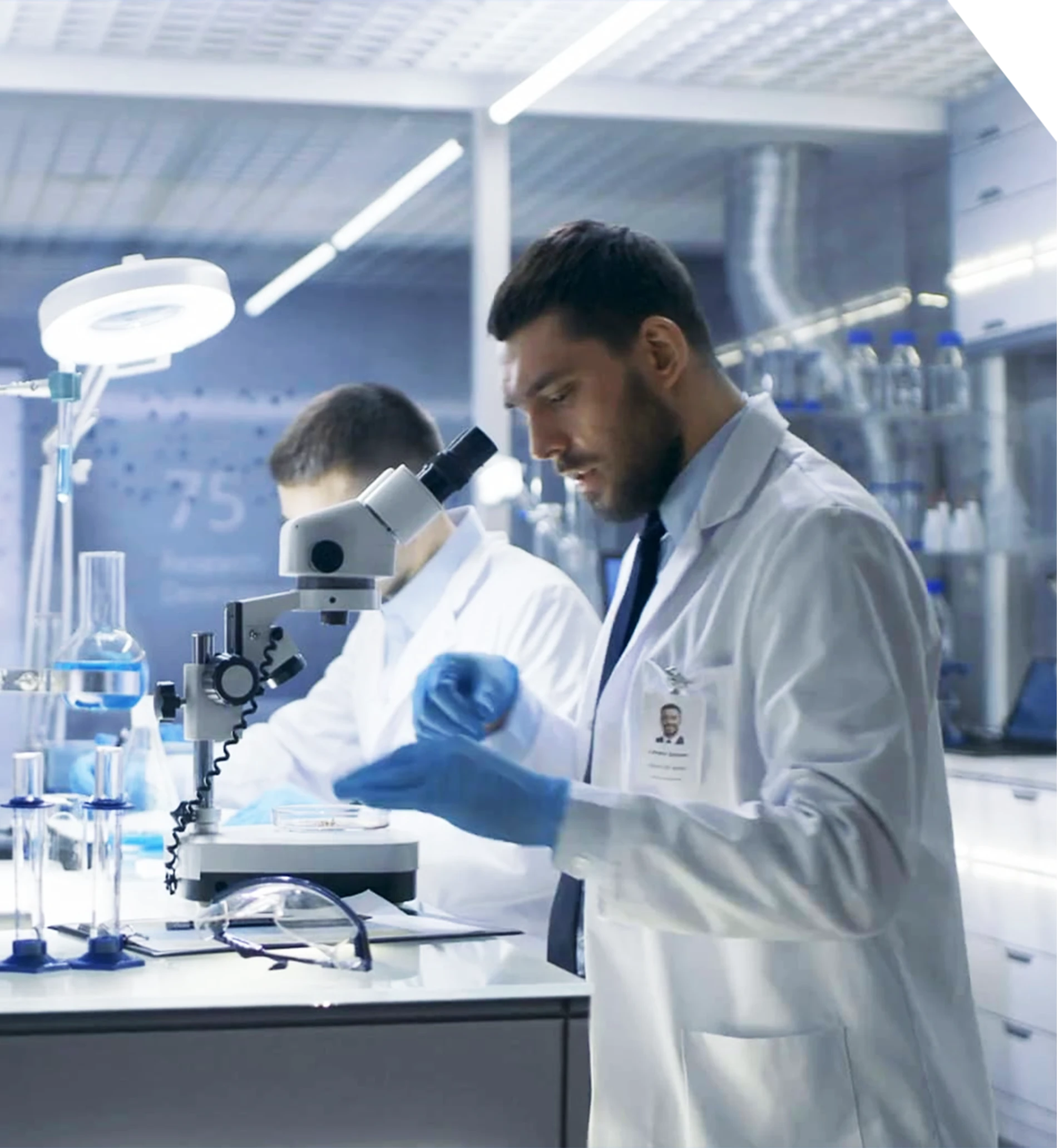
 Strong R & D Capability And Experienced Technical Team
-
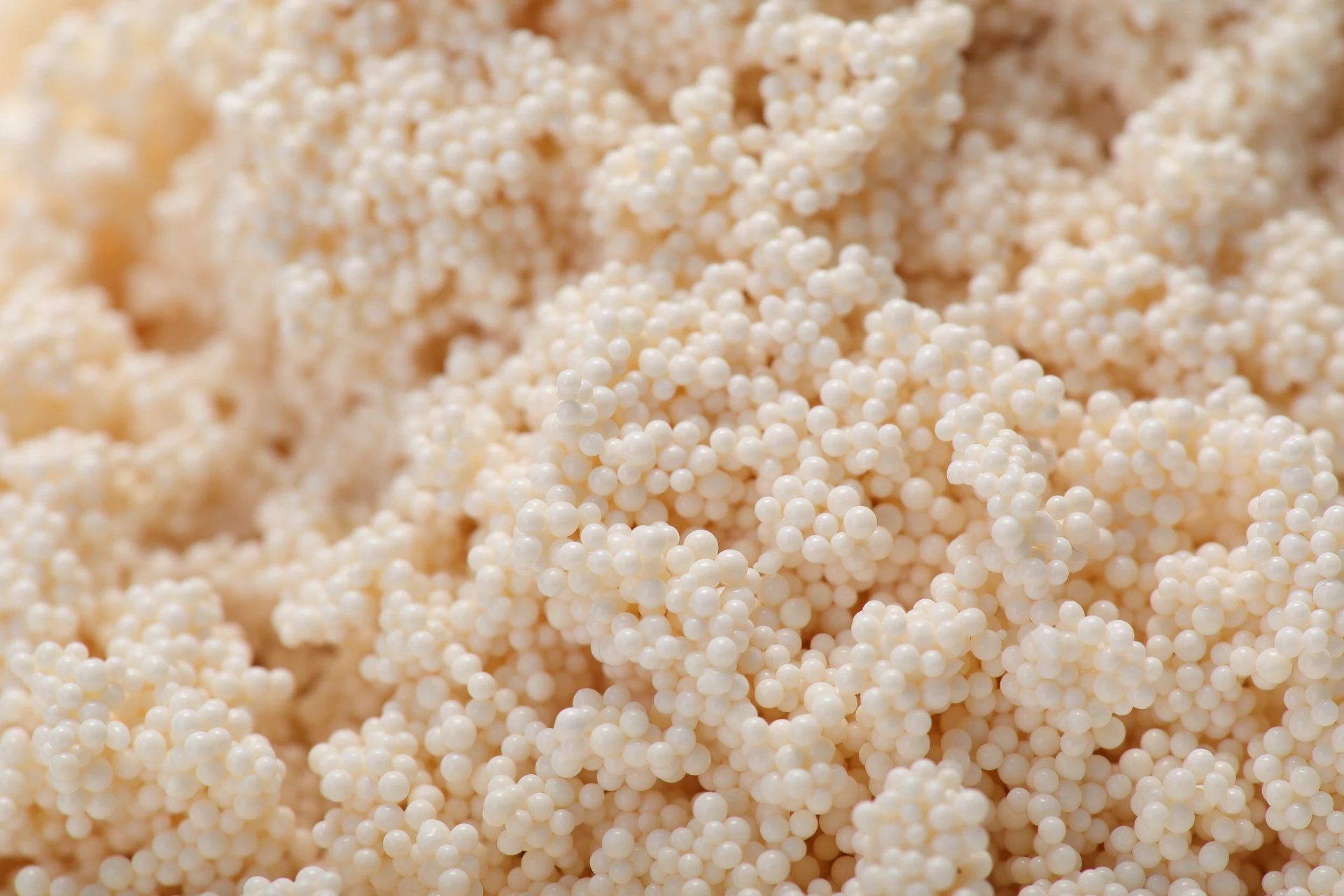
Provide Customers With Competitive And Differentiated Products